GLOW 360 explores how immersive technology can support presence, cultural respect, and reflection. The experience places participants in 360° natural landscapes with Elders, allowing stories and teachings to unfold through stillness and attentive listening. What resonated most was not the technology itself, but the sense of connection and grounding it created.
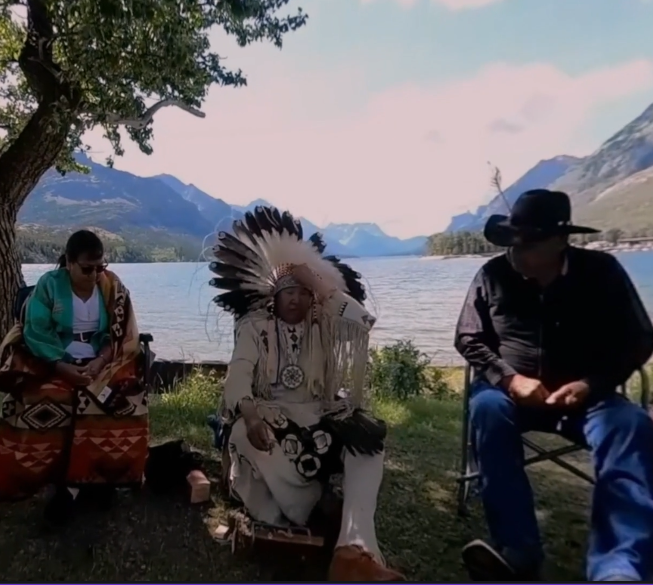
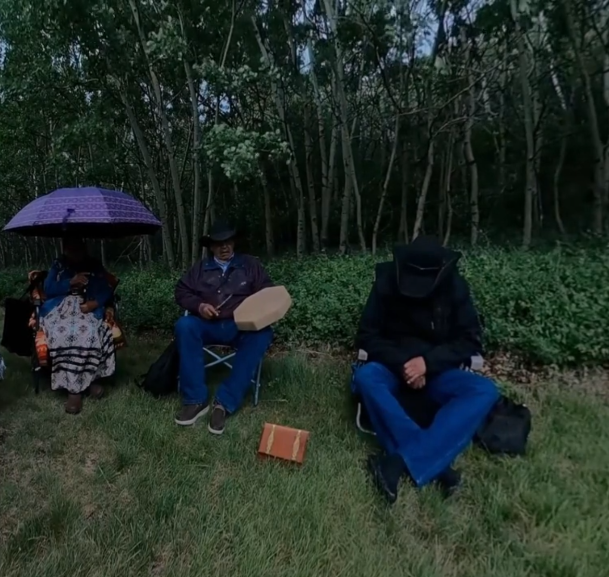

Many health and wellness initiatives rely heavily on information delivery such as; statistics, pamphlets, presentations, modules. While important, these approaches often miss something essential: relational connection.
In communities where knowledge is traditionally shared through oral storytelling, lived experience, and intergenerational exchange, conventional digital tools can feel disconnected from the heart of the message. Cultural teachings around healing, mental well-being, and resilience are not meant to be skimmed, they are meant to be experienced.
When we were approached with a request to explore a non-gamified immersive format within the broader GLOW project, we faced a fundamental question:
How do you use virtual reality to support stillness, reflection, and cultural respect?
The challenge was not technical, It was philosophical.
GLOW 360 emerged as a complementary, standalone VR experience designed around a simple but powerful premise:
Slow down. Sit. Listen. Be present.
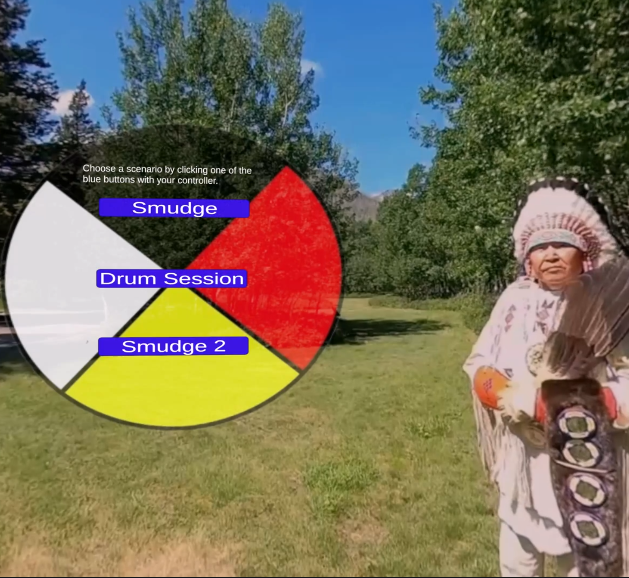
Instead of gamified mechanics, points, or progression systems, we leaned into 360° cinematic immersion.
Participants are placed within meaningful natural landscapes, sitting with Elders who share stories, teachings, and lived wisdom rooted in culture and tradition. The experience removes friction, no controllers required, no complex navigation, allowing users to focus entirely on what matters: the voice, the land, the moment.
Key design principles included:
By using immersive 360° video rather than interactive gameplay, we created a container for reflection. The headset becomes a bridge, not a barrier.
What surprised us most was the emotional response.
Participants didn’t talk about the technology, they talked about how it felt.
We observed:
For many, GLOW 360 created a rare opportunity to sit with cultural knowledge in an intimate way, especially for those who may be physically distant from community spaces or Elders.
The experience reinforced something important for our team:
Immersive technology does not need to be loud to be powerful.
It can be gentle.
It can be relational.
It can be healing.
Through this collaboration, we deepened our understanding of what immersive media can do. It reminded us that sometimes the most impactful design choice is restraint. Creating space for culture, story, and presence to lead.